
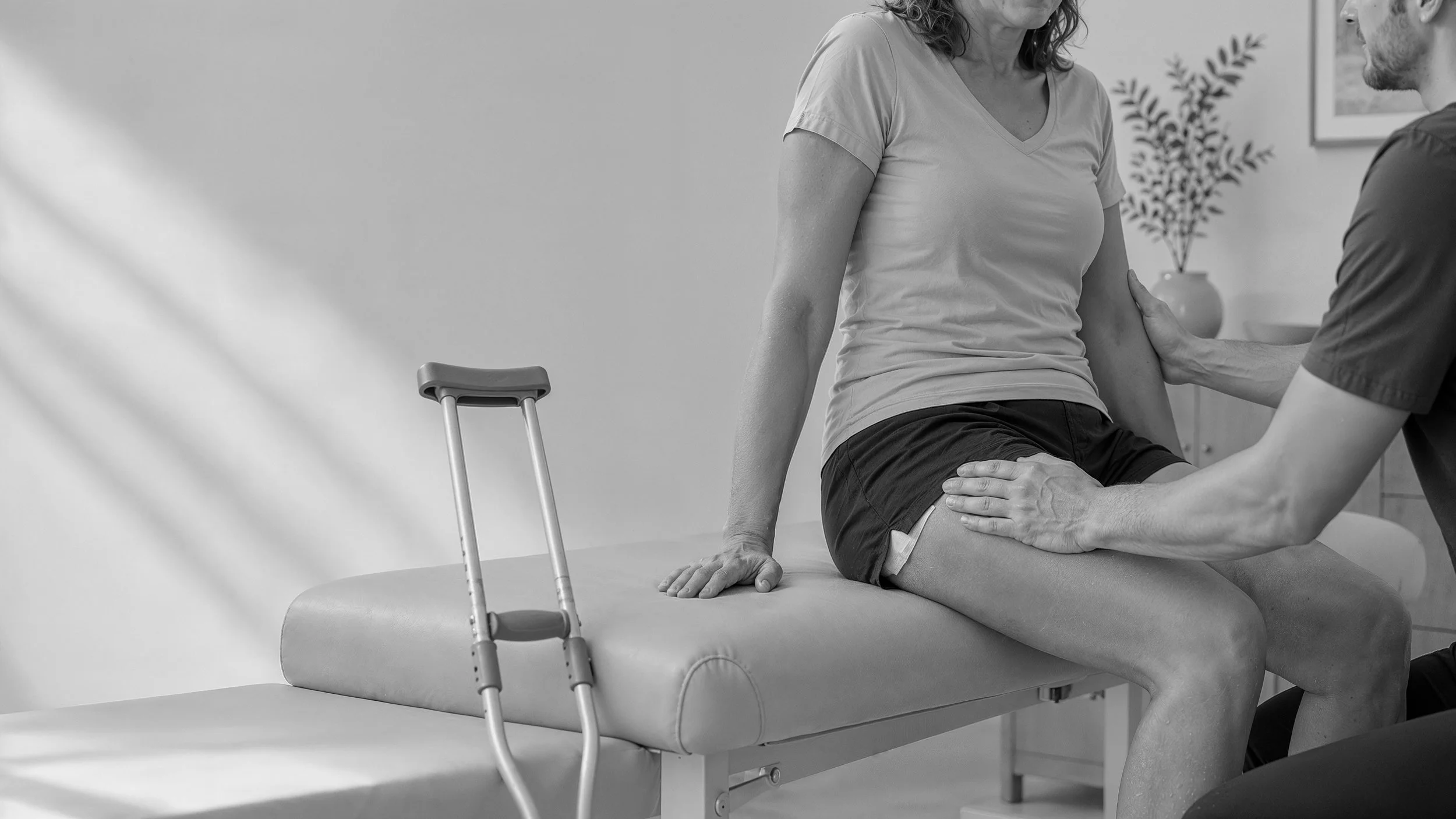
Hip
Post Op.
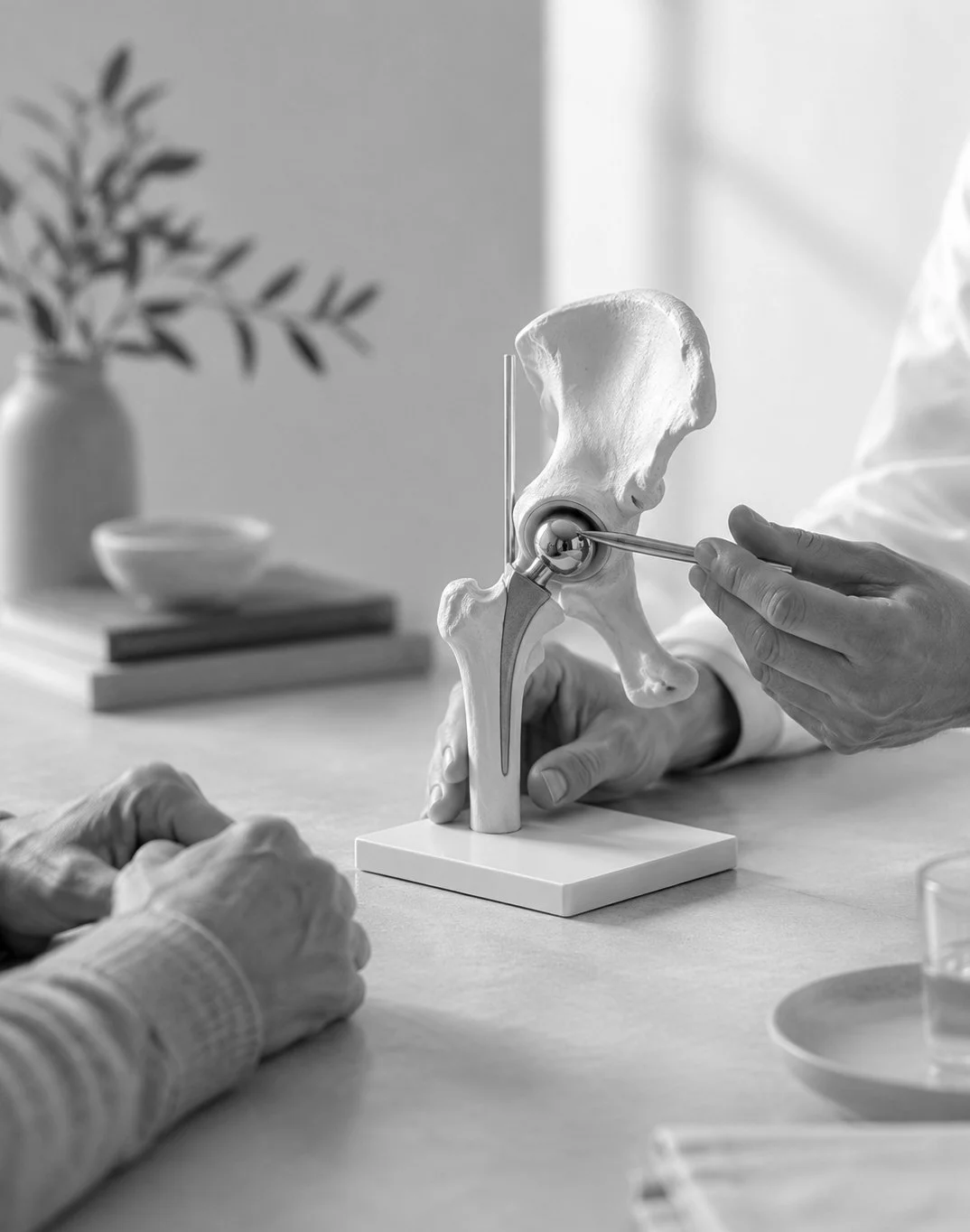
Hip Operations.
Post Op Information.
Following your post-operative instructions is an important part of achieving a safe and effective recovery. Your body needs appropriate time to heal, and carefully following the guidance below regarding returning home, pain management and possible complications can help support a smoother and quicker recovery. Please contact our rooms if you have any questions, concerns or experience any unexpected or immediate complications following your procedure.
Hip Replacement:
-
It is safe to return home in a normal vehicle, usually seated in the front passenger seat with the seat moved back and slightly reclined. Continue using a crutch, stick or other walking aid until you feel steady and are no longer at risk of falling. Complete your bending and straightening exercises three to five times each day and gradually increase your activity as advised. Wear compression stockings when sitting for extended periods, although they are generally unnecessary during the day when you are regularly walking and remaining active. Applying ice to the wound can also help reduce swelling and discomfort.
-
Gradually reduce your pain medication as your discomfort improves. Opioid medications such as Endone or Targin should be reduced first, with the aim of stopping them completely within approximately two to four weeks. Once opioids have been ceased, gradually reduce your anti-inflammatory medication and stop paracetamol last. This plan may need to be adjusted if you take pain medication for another condition. Sleeping on your back is encouraged for the first four weeks. When sleeping on your side, place a pillow between your legs. Physiotherapy should generally begin at approximately two weeks and continue weekly for around six weeks.
-
Deep vein thrombosis may cause increasing calf or leg swelling, an ache in the calf or a heavy feeling in the leg. A clot may also travel to the lungs and cause chest pain, shortness of breath, coughing or a rapid heart rate. Contact our rooms if you experience these symptoms; severe chest pain or breathlessness requires immediate medical attention by calling 000. Signs of infection include increasing redness or discharge around the wound, worsening pain, fever or sweats. Please contact our rooms promptly before commencing antibiotics if a wound infection is suspected.
-
Recovery following hip replacement takes time, and carefully following your medication, exercise, wound-care and mobility instructions will help support a safer and more effective recovery. Early walking is important for reducing the risk of blood clots, while appropriate use of walking aids can help prevent falls. Continue working with your physiotherapist and progress your activity gradually rather than rushing your recovery. Please contact our rooms if you have questions about your medication, wound, exercises, stockings or expected progress, or if anything does not feel right during your recovery.
Let’s talk about your treatment.
Please contact our friendly team at The Bone + Joint Clinic, to book an appointment at our Sunshine Coast ‘Maroochy Private Hospital’ rooms. If you have any questions feel free to contact us by the details below or by filling in and submitting our online contact form.